DIY Natural Moisturizing Base Cream: 100% Vegan Recipe
Make natural moisturizing cream at home in 30 minutes—100% vegan, no preservatives, keeps for six months. Complete recipe with carrier oils, hydrolats, and aloe vera. Blend with essential oils for targeted treatments.

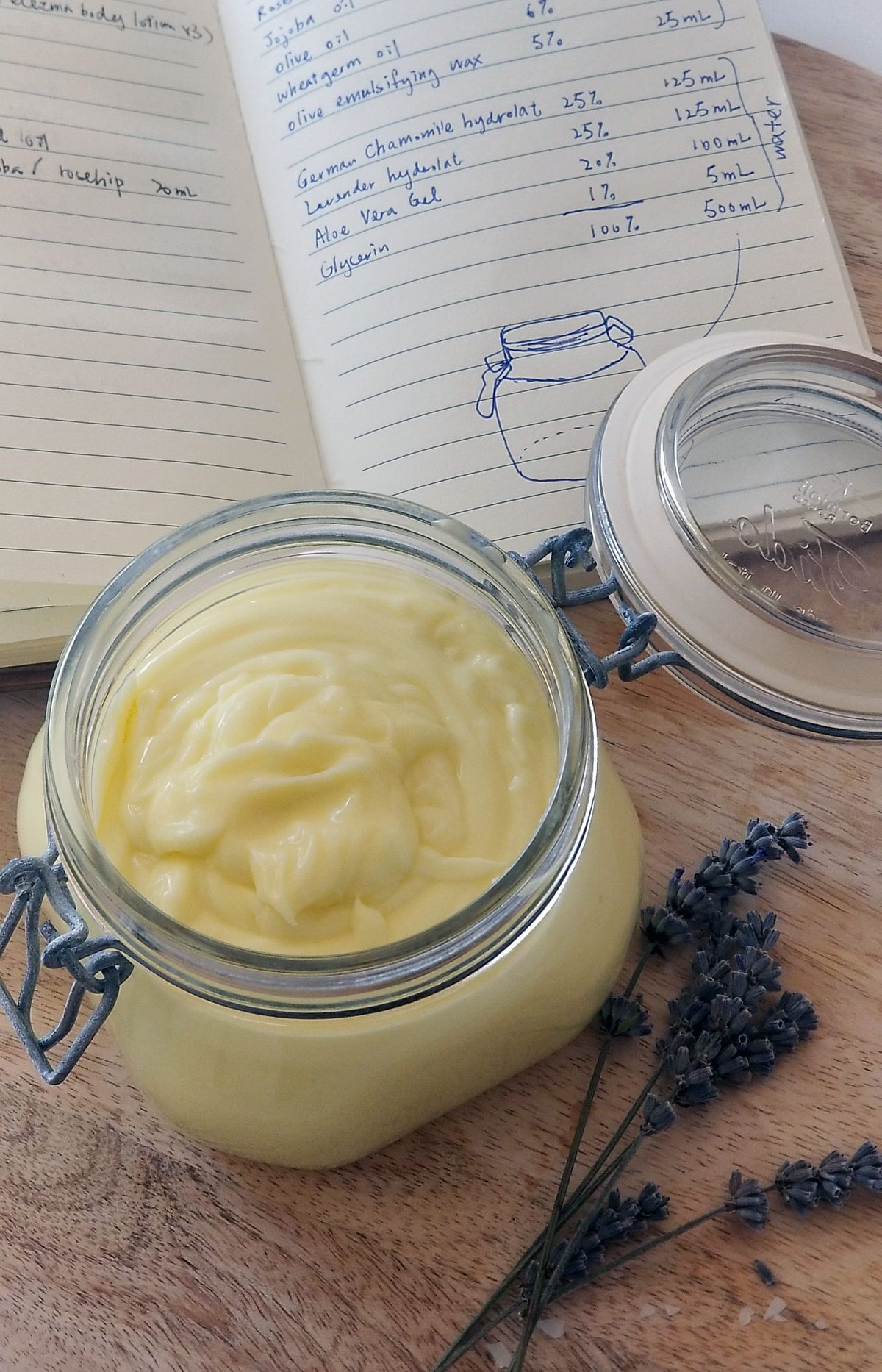
You can buy a plain base cream from a supplier—or make your own in 30 minutes with simple ingredients. This homemade recipe gives you complete control over the formula, texture, and scent. It's 100% vegan, contains no chemical preservatives, and stays fresh for up to six months. Use it as-is as a daily moisturiser for face and body, or blend it with essential oils to create a targeted treatment cream for a specific skin condition. Here's exactly how.
Application of topical cream in Aromatherapy
Aromatherapy at home takes many forms depending on the symptoms, the area affected, the root cause, the person using it, and the external environment — the season, the setting, the particular demands of that moment. A prescribed cream targets a specific area of skin, building a protective layer and supporting its repair in cases of dermatitis, insect bites, inflammation, dryness, and similar conditions. Compared to a massage oil or an aromatic bath, a cream is more precisely targeted and considerably more practical — easier to carry, easier to apply, and easier to use consistently.
A plain, unscented base cream is available from many reputable suppliers, and an aromatherapy practitioner follows dilution and blending guidelines to select the right essential oils and dosage before mixing them in. I prefer making my own base cream, because it allows me to customise the formula for my skin in every season and create a texture and colour that I actually enjoy using.
About this base cream
My base cream contains carrier oils, hydrolats, aloe vera gel, olive emulsifying wax, and a small amount of vegetable glycerin. It is 100% vegan and contains no chemical preservatives. The wheatgerm oil has a high vitamin E content — a natural antioxidant — which keeps the cream in good condition for up to six months when stored appropriately. Because of the high proportion of hydrolat, the cream has a gentle, sweet floral fragrance before any essential oil is added. It is a pleasure to use on its own as a daily moisturiser for the face and body, or to blend with essential oils when treating a specific skin condition. Suitable for all skin types, and particularly beneficial for sensitive, combination, and premature skin.
Tools
A glass rod or handheld mixer
A pan
Glass measuring cups
A 500ml airtight glass container, preferably dark-coloured to protect from light
Ingredients
Water-based
German chamomile hydrolat · 125ml (25%)
Lavender hydrolat · 125ml (25%)
Aloe vera gel · 100ml (20%)
Vegetable glycerin · 5ml (1%)
Oil-based
Rosehip oil · 30ml (6%)
Jojoba oil · 30ml (6%)
Olive oil · 30ml (6%)
Wheatgerm oil · 30ml (6%)
Olive emulsifying wax · 25ml (5%)
Method
- Pour all water-based ingredients into a large measuring cup. Place all oil-based ingredients into a smaller measuring cup.
- Heat both mixtures in a pan, keeping the temperature below 65 degrees Celsius, until the olive emulsifying wax has melted completely. Stir occasionally to speed up the process.
- Pour the oil mixture into the water mixture. Stir and beat quickly until the mixture becomes a smooth, creamy texture.
- Pour the cream into the airtight container and leave the lid off until it has cooled to room temperature.
Why these ingredients
The carrier oils in this recipe are chosen for their cell-regenerating, antioxidant, and skin-balancing properties. The hydrolats bring the floral essence in its purest liquid form, adding therapeutic benefit while helping to balance the texture of the cream. Aloe vera gel is dense with vitamins, minerals, enzymes, amino acids, and plant sterols that deliver a wide range of skin benefits — it also increases the cream's absorbability, helping everything else penetrate more effectively. Olive emulsifying wax is what binds the oil and water phases together, turning two separate liquids into a stable, unified cream.
For the specific properties of each carrier oil used here, see the Carrier Oil Guide.
Used together, these ingredients make a cream that supports scar healing, softens fine lines, prevents wrinkle formation, deeply hydrates, reduces redness and irritation, helps small cuts heal cleanly, evens skin tone, stimulates collagen production, fades dark spots, protects the skin surface from environmental irritants, and maintains overall skin health across every season.
Using Your Base Cream
As a Daily Moisturiser
Apply 1-2 teaspoons to clean, slightly damp face and body. The cream absorbs quickly due to the high hydrolat content and aloe vera, leaving skin soft without greasiness.
For Sensitive or Irritated Skin
Use on its own—the high proportion of hydrolats and aloe makes it naturally soothing without any essential oil addition. Particularly effective for eczema-prone skin, rosacea, and post-inflammatory sensitivity.
Shelf Life & Storage
This cream contains no chemical preservatives. The wheatgerm oil's high vitamin E content acts as a natural antioxidant, keeping the cream stable for up to six months when stored in a cool, dark place. Dark glass containers protect from light exposure.
Blending Essential Oils Into Your Base Cream
Once you've mastered the base recipe, you can blend essential oils into the cream to create targeted treatments for specific skin conditions.
Basic Blending Ratio
1% dilution: 3 drops per 10ml of base cream (daily use, face)
3% dilution: 9 drops per 10ml of base cream (therapeutic use, body, short-term only)
Read this article for the Essential Oil Dilution Ratios following IFPA standard for other applications such as bath, diffusion, eye cream, face mask, etc.
How to Blend
- Measure out the amount of base cream you'll use (e.g., 10ml)
- Count the correct number of essential oil drops for your chosen dilution
- Mix thoroughly with a glass rod until the oil is completely distributed
- Store in a small jar and label with the blend name and date created
Example Blends
For eczema: 2 drops German chamomile + 1 drop lavender per 10ml
For scarring: 1 drop Helichrysum + 1 drop neroli per 10ml
For acne: 1 drop lemon + 1 drop cederwood per 10ml
See our guides to Therapeutic Carrier Oils for specific oil recommendations.