Summer Essential Oil Blends for Yin-Yang Balance (TCM Guide)
Master yin-yang balance in summer with rose, lavender, and lemon oil blends. Learn TCM's approach to aromatherapy and why summer demands cooling essential oils.

Summer's Remedy: Why Plants Hold Healing
I would love my humble garden to bloom wildly in summer. Roses, lavender, marigold, jasmine, geranium, chamomile — all my favourites. The little problem is the insects. My daughter was stung by bees not once but three times on different occasions, each time causing a severe allergic reaction. Since then, we have not kept flowering plants. The Rose of Sharon is rooted in the garden, and it will always be the housekeeper.
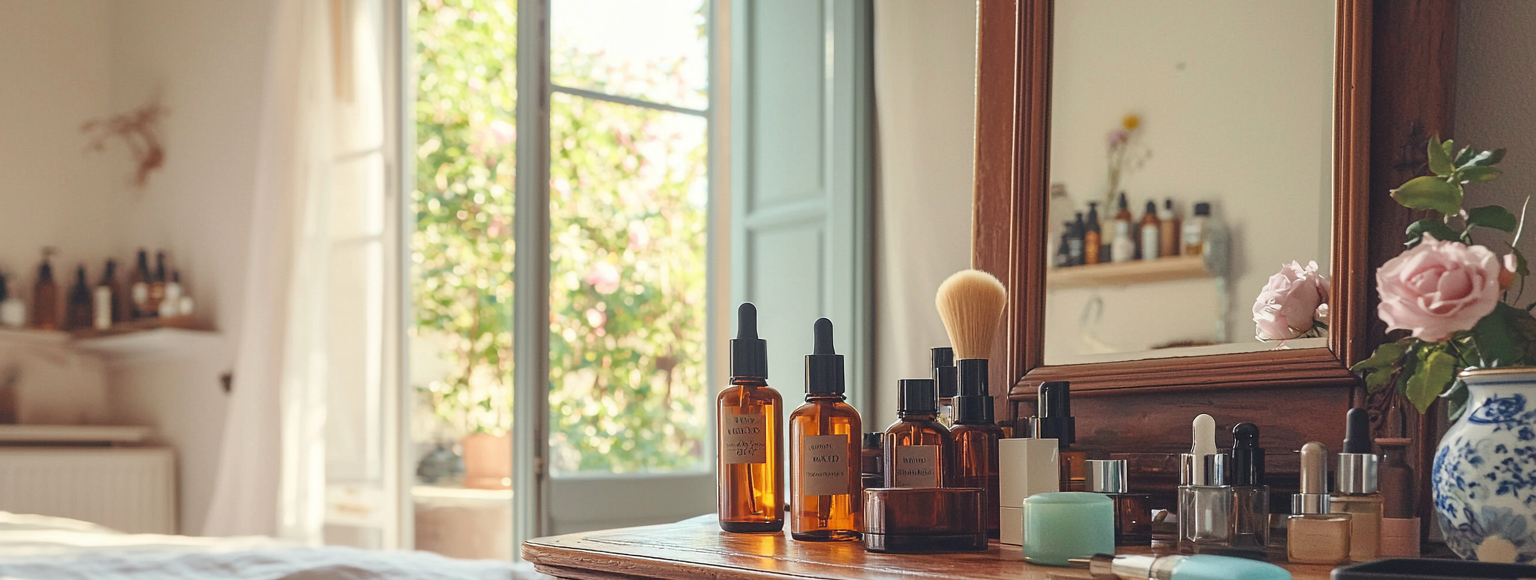
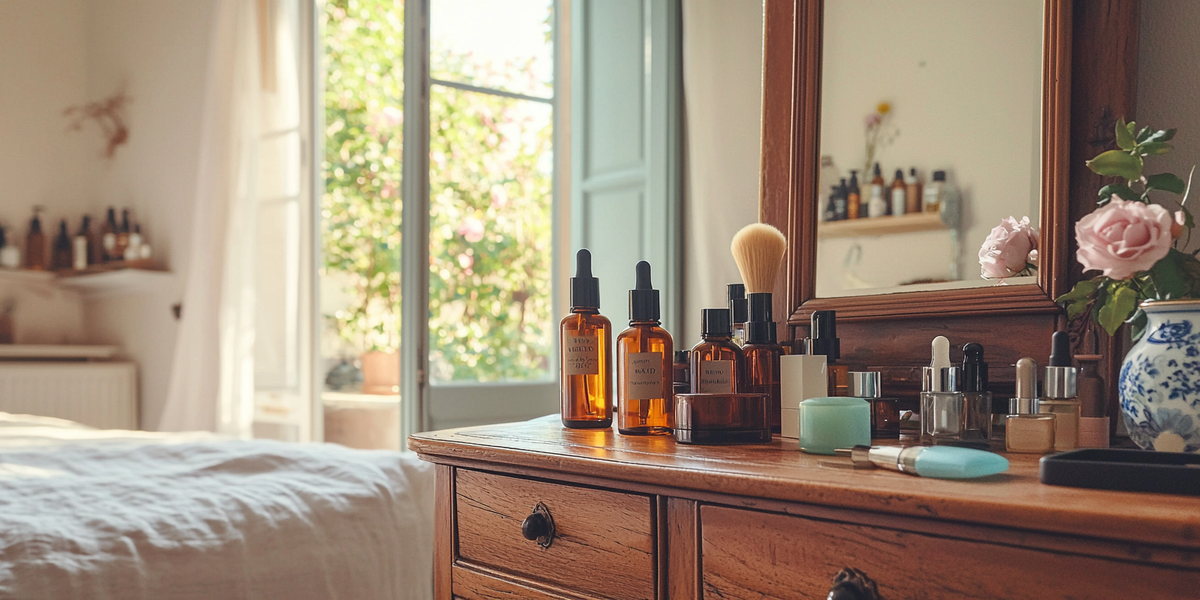
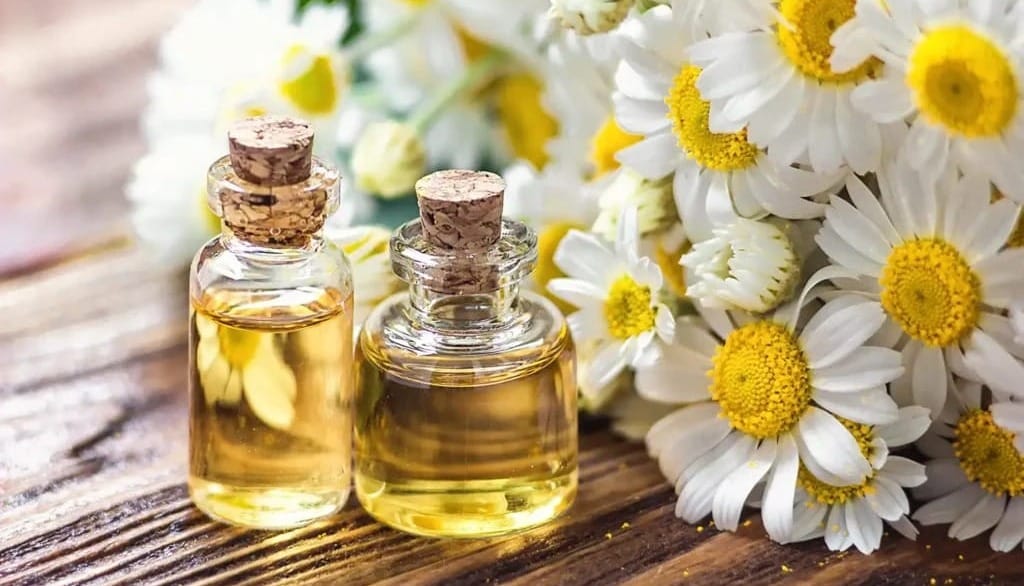
These plants do not only have beautiful flowers. They each carry a unique scent and their own healing properties. Their essence is kept in amber bottles in my bedroom, so I can reach for them as if I were picking them fresh from the garden. I use them for the scent, for health maintenance, and for self-healing.
Explore the opening principle that guides summer's energy
TCM & Aromatherapy: One Philosophy, Two Traditions
I am fascinated by the commonality of TCM and aromatherapy. Two natural therapies — one from the East, one from the West — arrive at the same intersection: treating the whole person rather than the symptom. Neither tradition seeks to eliminate a virus directly. Both work to strengthen the body and the mind-spirit so that they can fight together, becoming more resilient each time they do. Through the process of self-healing, the foundation consolidates. It is like a child who will never forget a word after correcting the spelling mistake herself. The lesson stays because the body learned it from the inside.
Aromatherapy explains how the body is physiologically and emotionally sedated or stimulated by essential oils. A citrus oil such as bergamot or grapefruit stimulates the body systems, strengthens circulation, and uplifts the emotions. A plant from the Lamiaceae family — true lavender or clary sage — calms the mind, promotes relaxation, and invites the body to rest.
TCM describes the same phenomenon through different language. Nature contains two opposing forces: Yin and Yang. Anything with a sedative, inward-flowing, cooling, still quality is Yin. Anything stimulating, outward-flowing, warming, and expanding is Yang. Different names, the same wisdom. This is where East and West meet.
The balance that keeps everything moving – 陰陽
In TCM, health is not the absence of illness. It is the dynamic balance between Yin 陰(Yīn) and Yang 陽 (Yáng) within the body — two forces in constant movement, each containing the seed of the other. The ancient Chinese pictured this as the Tai-ji sign 太極 (Tàijí): two fish cradling each other in an eternal circle, ever moving, neither one dominant for long. It has no physical form, but its imbalance shows clearly in the body as restlessness, fatigue, overheating, or the flatness that comes when nothing feels quite right.
Aromatherapy reaches the same understanding through the body's response to scent. When stress or emotional imbalance underlies a physical symptom, the symptom eases when the inner state is restored. This is why diffusing a room, taking an aromatic bath, or receiving an aromatherapy massage can be simultaneously relaxing, relieving, and genuinely restorative. The oil does not cure the symptom. It restores the conditions in which the body cures itself.
Both traditions aim for the same thing: balance and harmony within the body, the mind, and the spirit.
Finding your balance in summer
Because Yin-Yang is not visible, the practice begins with attention. Feel your body as you step into summer. The heat, the humidity, the vigorous energy surrounding you will subtly shift your mood, your appetite, your skin, and everything happening beneath the surface.
If you tend toward introversion and find yourself retreating indoors, you may need more Yang — oils that move energy upward and outward, that open rather than close. If the long days and social energy leave you overstimulated, your mind unsettled by evening, you will need more Yin — oils that cool, settle, and restore.
The goal is not to eliminate one force in favour of the other. The goal is to keep them moving together, as the two fish do. Neither one dominant for long.
Three ways to use summer's oils
Nature does not promise ease. But in the same season, in the same garden, it provides exactly what the body needs to respond. The remedy and the condition arrive together — as honey soothes the inflammation of a bee sting, the summer flowers blooming now carry the Yin energy the season's heat demands. The flowers are not incidental to summer. They are summer's answer to its own demands.
The heat and the long summer days can disturb sleep. Rose, lavender, jasmine, and chamomile each carry Yin energy — the cooling, settling, inward quality that balances the Yang excess summer can create. In TCM terms they nourish the Heart meridian and calm an overstimulated Shen. Diffuse four drops of any one of them in the hour before bed. Let the room change before you enter it.
Chamomile works beyond the diffuser. A warm cup of chamomile tea after dinner supports the Spleen and Stomach meridians — the digestive organs that summer heat taxes most directly — and helps the body transition from the activity of the day toward the stillness of the night.
Geranium balances. Where the other summer oils lean toward Yin, geranium holds the centre — supporting the equilibrium between Fire and Water that TCM describes as the foundation of summer health. Dilute two drops of geranium and two drops of any oil you are drawn to in a tablespoon of milk, honey, or body wash, then pour into a warm bath. Soak for fifteen minutes. Let the balance find you.
Learn which element YOU are to personalize your summer practice and establish your daily rituals.
A summer diffusion for balance
The goal in summer is not to eliminate Yang — it is to keep Yin and Yang moving together, neither one dominant for long. The blend below is built on that principle: one oil that opens and warms, one that cools and settles, one that holds the centre between them.
Bergamot — 2 drops. The opening oil. It carries both Wood and Fire — the Liver's function of smooth upward flow, and the Heart's capacity for warmth and expression. If you arrive in summer with a decision postponed or a project not yet begun, bergamot moves that stagnation outward.
Neroli — 1 drop. For the begining. It opens without tipping into agitation. It encourages the Heart to express itself while protecting against overwhelm. Use it when you want the clarity of opening without the anxiety.
Lemon — 1 drop. The dispersing oil. It prevents the blend from becoming too still — a purely Yin blend without movement can become heavy rather than restful. Lemon's limonene content keeps the energy circulating, gently moving excess heat outward while the rose and lavender settle the interior. The Yang element that makes the Yin sustainable.
Diffuse this blend for 20 minutes in the early evening — after dinner, before sleep preparation begins. The room should feel quieter when you enter it. Alternatively, diffuse lemon to start the day. Choose rose or lavender before sleep. Let the scent of the individual oil carries it own characteristics.
Blend: Bergamot 2 drops · Neroli 1 drop · Lemon 1 drop
For more on Fire element in TCM, see Heart meridian and summer emotions
Can I use essential oils?
Essential oils are concentrated plant extracts. A few simple principles keep them working for you rather than against you.
Diffusion. 20 minutes in a well-ventilated room is enough. More is not more in aromatherapy. The limbic system responds to subtle concentrations. Open a window slightly while diffusing, particularly in summer when rooms can become warm.
Rose. Genuine rose essential oil — Rosa damascena or Rosa centifolia — is one of the most expensive oils available. If the price seems too low, it is likely adulterated or synthetic. Adulterated rose will not carry the therapeutic properties described here. Rose absolute is a more affordable and genuinely effective alternative. Rose hydrolat — the floral water produced during distillation — is an excellent and accessible alternative for daily skin and mood use.
Lemon. Like all citrus oils, lemon is photosensitive when applied to skin. In diffusion this does not apply. If you use lemon topically, avoid sun exposure on that area for at least 12 hours.
Lavender. True lavender — Lavandula angustifolia — is the variety referenced here. Lavandin, a hybrid species, is widely sold as lavender at lower cost but has a higher camphor content and different therapeutic properties. For the calming, balancing action described above, look for Lavandula angustifolia on the label.
Pregnancy. Rose and lavender in diffusion are generally considered among the safer oils during pregnancy, but avoid topical application in the first trimester. Consult your midwife before introducing any new essential oil if you are pregnant or trying to conceive.
Children. The blend above is gentle and suitable for diffusion in rooms where older children are present. Keep sessions to 20 minutes maximum. For children under 3, diffusion of any essential oil should be approached with caution and professional guidance sought first.
Sensitisation. Rotate your oils through the season rather than using the same blend every day. The body, like the season, responds better to variety than to repetition.
What nature prepares
We are not promised an easy path. But what we need to heal, to regain our strength, to keep moving forward, is prepared by nature before we even think to ask for it. The flowers blooming now are not decoration. They are the season's provision.
The amber bottles in my bedroom do not only give me joy and relaxation. They give me the harmony within the body, and keep the ever-changing Yin-Yang balance — most of the time.