6 Ways to Diffuse Essential Oils at Home (DIY + Equipment)
Six practical ways to diffuse essential oils at home—from a pillow drop to DIY reed diffusers and facial steamers. Find the method that fits your lifestyle and budget.

Diffusion is one of the fastest ways to shift your mood, ease anxiety, improve sleep, and create atmosphere at home. You don't need expensive equipment or complicated setups. This guide covers 6 practical diffusion methods—from placing one drop on your pillow to making your own reed diffuser—so you can choose the one that fits your lifestyle and budget.
Diffusion is one of The Scented Compass's suggested daily rituals for those who like to tune the atmosphere of a room, change their emotions, recall a memory, or simply add a touch of luxury to their home. We inhale the essential oils as we enjoy the scent, and the aromatic molecules travel through the nasal passage to the limbic system in the brain, which governs emotions and keeps memories. Depending on the essential oil, the aroma may trigger a lovely memory, release mental tension, lift a low mood, or bring the body into deep relaxation. The whole process takes only a few minutes. Diffusion changes your mood and mental state remarkably quickly.
You do not need expensive equipment to start diffusing. There are different types of diffusers on the market, but you can begin with a bottle of essential oil without buying any additional devices.
1. On a pillow or pyjama
Choose the essential oil among lavender, clary sage, Roman chamomile, frankincense, vetiver or sandalwood. Place 1 drop on your pillowcase or the neckline of your pyjama to improve sleep quality. These essential oils are rich in linalool, linalyl acetate, or sesquiterpenes, the compounds that promote relaxation and a sense of groundedness.
Cost: nothing beyond the oil itself.
2. On a tissue
If you are experiencing anxiety, low mood, or difficulty leaving the house, place 1 drop of lavender, bergamot, lemon, ylang ylang, or sweet marjoram onto a piece of tissue and keep it close. These essential oils not only contain linalool, which reduces tension and calms the mind, but also monoterpenes, which stimulate circulation and lift the emotional state. It will be your companion through whatever the day brings.
Cost: negligible.
3. DIY reed diffuser
There are many reed diffusers available across a wide price range, but most are made with synthetic fragrances — combinations of individually extracted chemical compounds. These are not true essential oils and do not carry the therapeutic effects described in this series. A significant portion of the price also goes toward advertising and brand operating costs rather than what is in the bottle. You can make your own reed diffuser in your preferred fragrance with just a few steps, at a small fraction of the cost.
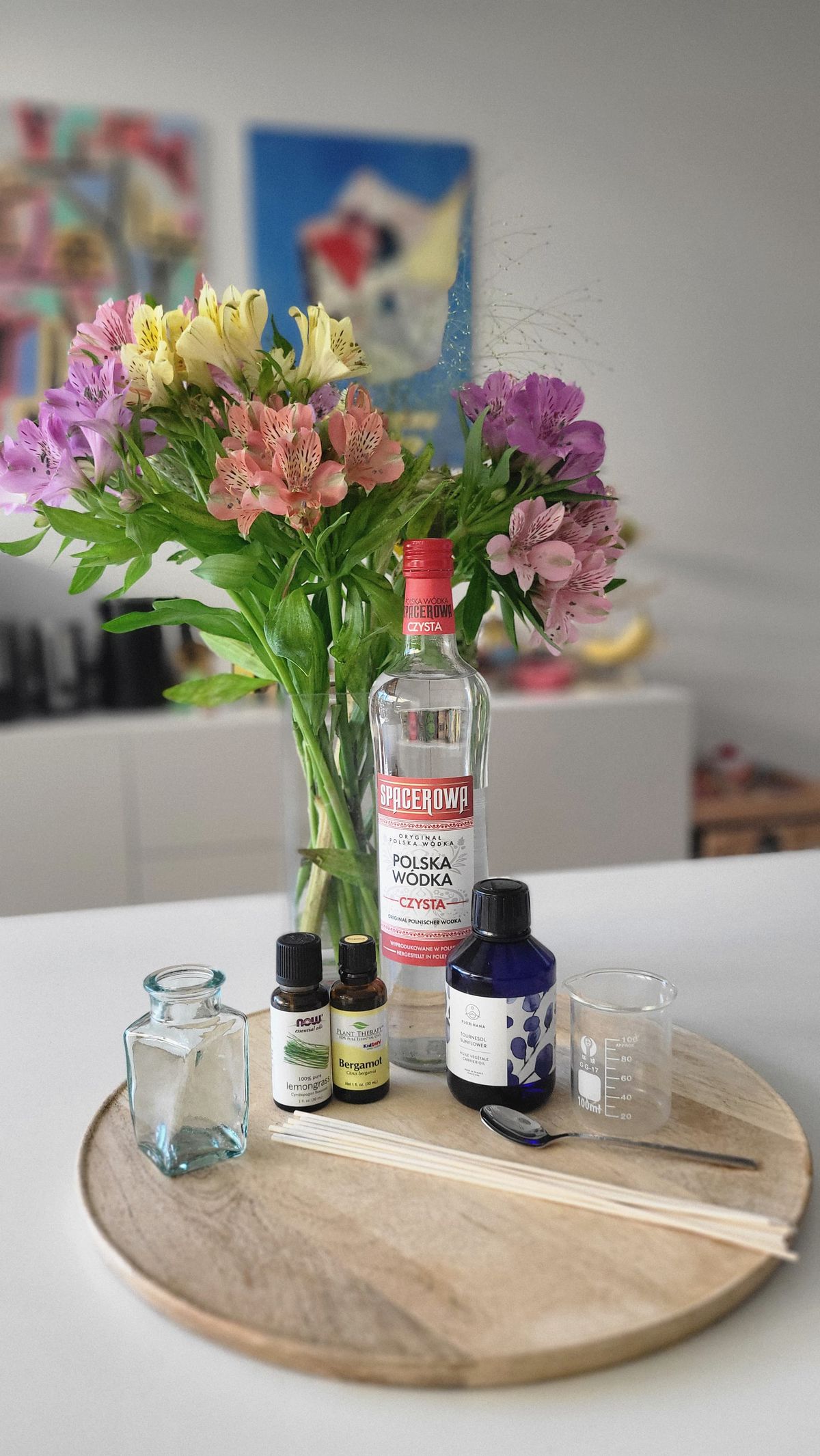
What you need:
- A small glass bottle (approximately 100ml)
- 10 to 15 rattan or bamboo reeds
- 50ml of a light, odourless carrier oil e.g. sunflower oil or grapeseed oil
- 10ml of Vodka (this helps the oil travel up the reeds)
- 30 to 50 drops of your chosen essential oils in total
Method:
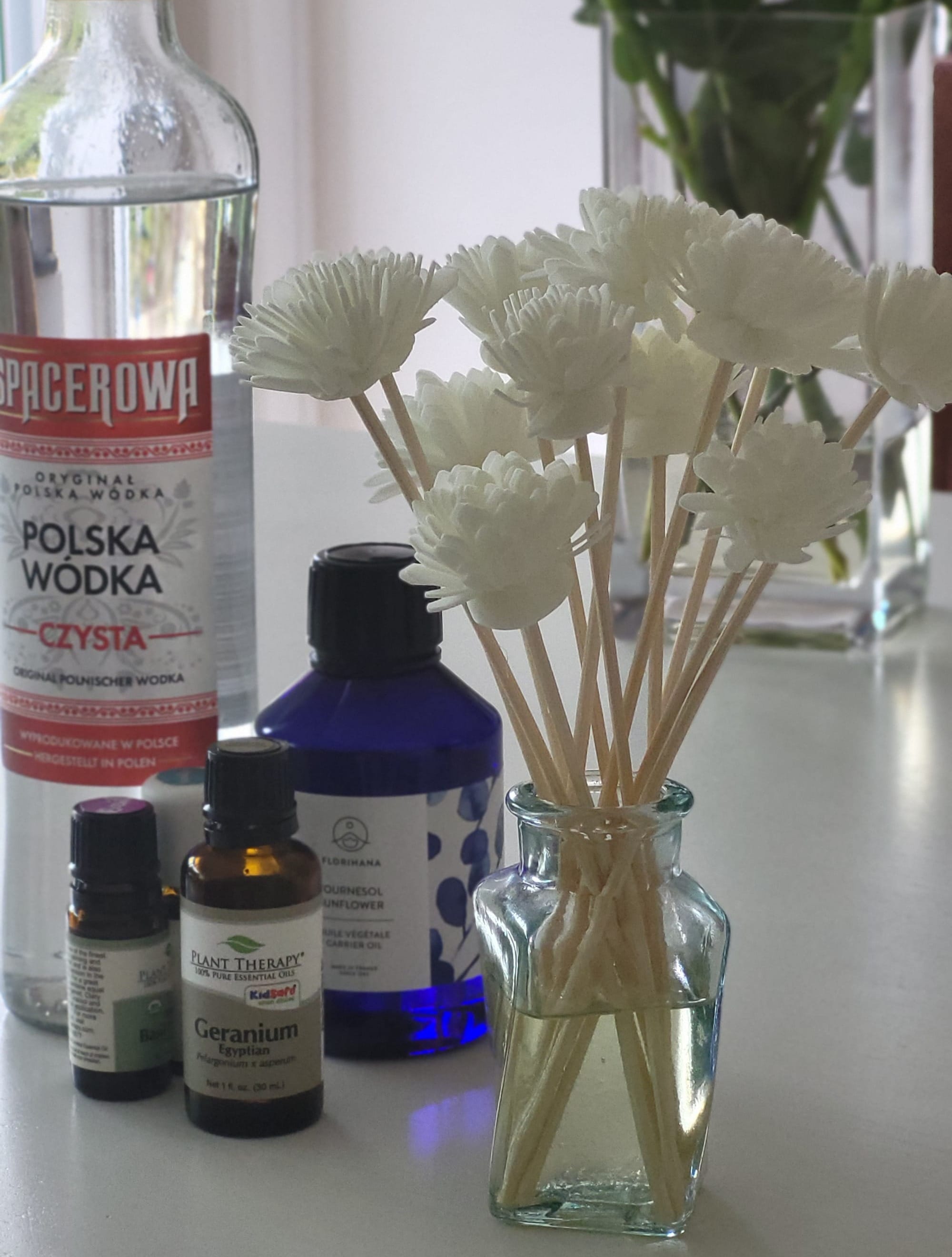
Pour the carrier oil and alcohol into the bottle up to max ⅔ volume of your bottle. Add your essential oils and stir gently. Place the reeds in the bottle. After an hour, flip the reeds so the dry ends are submerged and the saturated ends are in the air. Flip them again every few days to refresh the scent.
If you would like a reference point from the world of fine fragrance — bergamot, native to a small region of Italy, is the foundational note of Eau de Cologne, first created by Johann Maria Farina. Its character sits between sweet orange and lemon, and it is one of the best oils for lifting a tired body and mind. Ylang ylang, used in the formula of Chanel No. 5, rounds off a blend with sweetness and tenderness.
Now that you know how to make your own diffuser, why not experiment with different essential oils and ratios to create a blend that is entirely yours?
Cost: approximately €10 to €15.
4. Oil burner
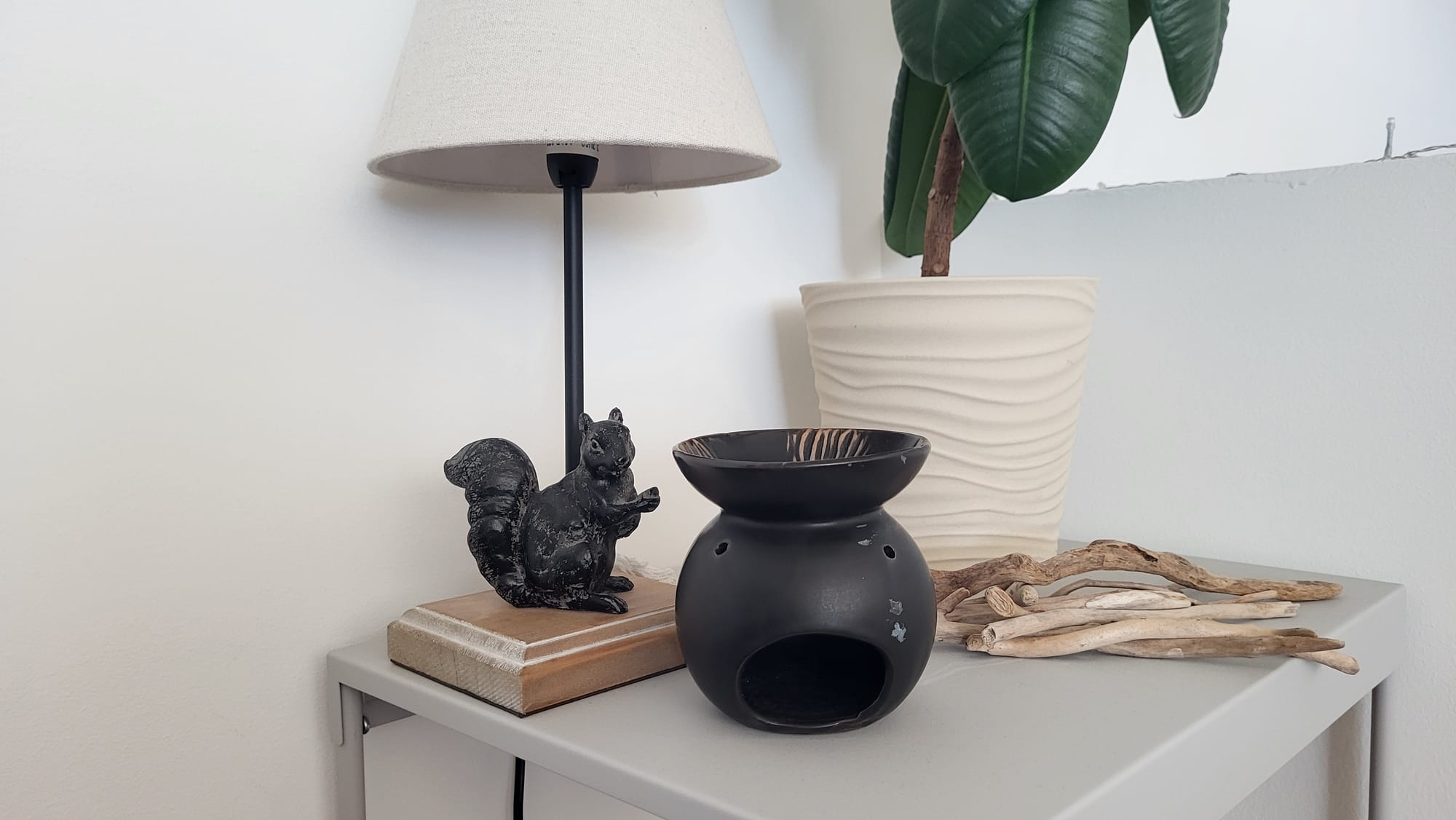
A ceramic burner is one of the best ways to create an atmosphere at home — through scent, light, and warmth together. It brings life to a cold winter evening and fills the room with the smell of gingerbread and cinnamon if you diffuse 1 drop of cinnamon leaf, 1 drop of ginger, and 2 drops of sweet orange. Always fill the top basin with water before adding the essential oils.
I also use a burner outdoors to keep flies, insects, and mosquitoes away in the garden. Try 2 drops of citronella and 2 drops of geranium — both are rich in citral, a natural insect repellent. Keep the burner away from pets, as citronella is toxic to cats and irritating to dogs. People nearby should also avoid prolonged direct inhalation.
Cost: €10 to €15.
5. Electrical diffuser
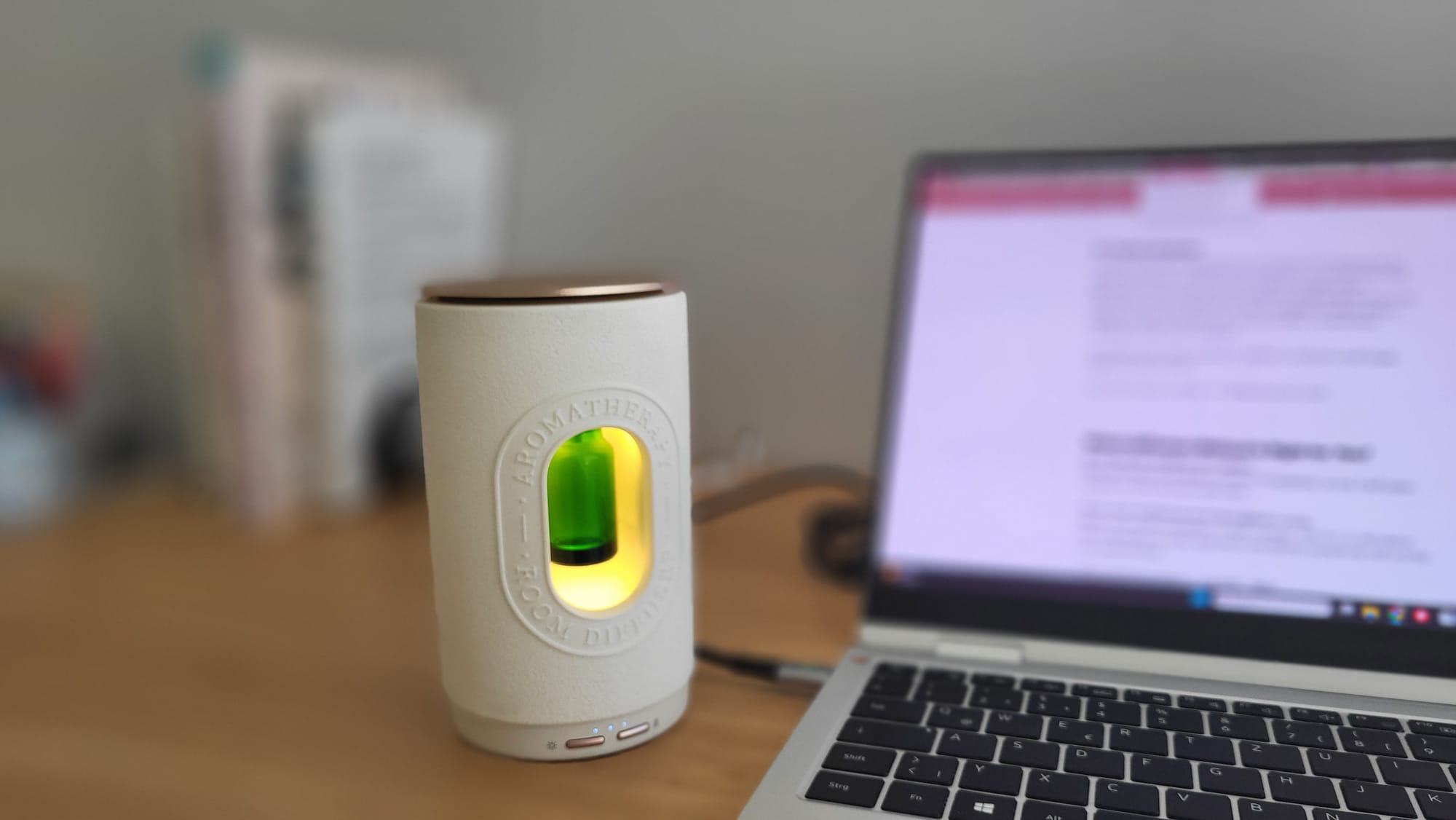
There are mainly 2 types — those that diffuse with water and those that diffuse without.
To be honest, I do not own a water-based diffuser. I have a larger humidifier with an oil diffusion feature, but my experience with it has not been satisfying — the essential oils are too diluted to spread the scent effectively across a room.
When I need diffusion for respiratory complaints, I use a waterless electrical diffuser, which converts the essential oils directly into vapour. It is more effective and precise, as I can be confident I am inhaling the intended amount of essential oil within 15 to 20 minutes.
Cost: €20 to €25.
6. Facial steamer
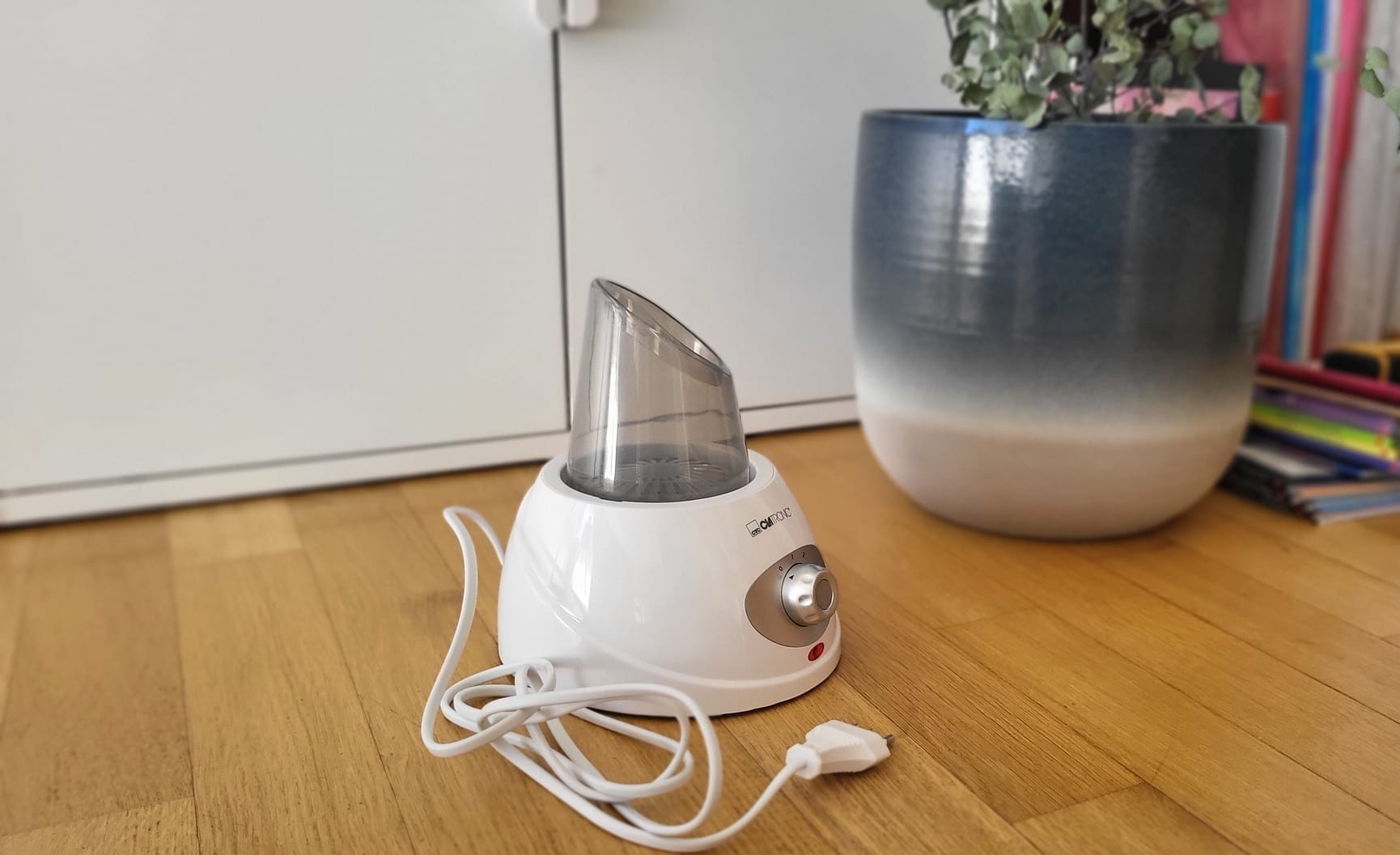
I use mine not for facial treatments but as an essential tool for managing serious respiratory symptoms — a blocked nose from hay fever or a cold. Hot steam thins thick, stuck mucus so it drains more easily, while the humidity reduces inflammation, soothes irritated mucous membranes, and helps the fine hairs in the nose clear irritants more efficiently. The effect is amplified by adding 1 drop of peppermint, 1 drop of rosemary, and 1 drop of eucalyptus, which promote circulation and help resolve congestion.
A bowl of hot water with a few drops of essential oil works just as well. Simply replace the water as it cools. For the electrical steamer, find a model with an inhaler like the one in the below picture. It traps and delivers the steams for inhalation.
Cost: €25 to €30 for a steamer, or nothing if you use a bowl.
Which Diffusion Method Is Right for You?
If you want the simplest, free option:
Start with a drop on your pillow or a tissue. No equipment, no cost. You'll notice
the effect on sleep and mood within days.
If you want continuous scent throughout a room:
Make your own DIY reed diffuser. It takes 5 minutes, costs €10-15, and releases scent consistently for weeks. Experiment with different essential oils until you find your preferred blend.
If you want atmosphere + warmth + light:
Use an oil burner, especially in winter. The combination of scent, flickering light,
and warmth creates an ambiance that simple diffusion cannot replicate.
If you're managing respiratory symptoms:
Use a waterless electrical diffuser or a facial steamer. These deliver the most precise, therapeutic dose of essential oil vapour to clear congestion and ease inflammation quickly within 15-20 minutes.
The method you choose depends on your lifestyle, your budget, and what you're trying to accomplish. Most people end up using more than one.
| Method | Best For | Cost | Setup Time | Effectiveness |
|---|---|---|---|---|
| Pillow/Pyjama | Sleep, bedtime | Free | 10 sec | High (personal) |
| Tissue | Anxiety, on-the-go | Free | 10 sec | High (portable) |
| DIY Reed Diffuser | Continuous scent, décor | €10-15 | 5 min | Medium (slow release) |
| Oil Burner | Atmosphere, warmth, winter | €10-15 | 5 min | High (multiple senses) |
| Electrical Diffuser | Respiratory health, room coverage | €20-25 | 5 min | Very high (precise) |
| Facial Steamer | Congestion, sinus relief | €25-30 | 5 min | Very high (therapeutic) |
We do not need a clinical setup to address symptoms, nor a luxury brand to scent our home. Something as simple as any of the above can bring real comfort to you and your family and meaningfully improve the quality of daily life.