How to Choose Authentic Essential Oils: IFPA Professional Quality Standards
IFPA professional quality standards for essential oils. Learn how to identify authentic oils by checking botanical names, origin, extraction, and test reports.

You would like to invest in essential oils. But the market is full of synthetic fragrances and diluted blends that will not deliver what you are paying for. As an mIFPA certified aromatherapist, I source and evaluate oils using professional standards set by the International Federation of Professional Aromatherapists. This guide teaches you exactly how to identify an authentic, therapeutic-grade essential oil before you buy—so you don't waste money on products that won't work. Six simple markers on the label tell you everything a professional looks for.
How to choose a genuine essential oil — and avoid wasting your money
Aromatherapy is the therapy using the essential oils in a controlled manner. Getting the method right matters in aromatherapy — but using the wrong tool will undermine even the best technique. The quality of the essential oils determines the efficacy of the treatment.
As the Chinese saying goes: 工欲善其事,必先利其器 — if you want to do your work well, you must first sharpen your tools.
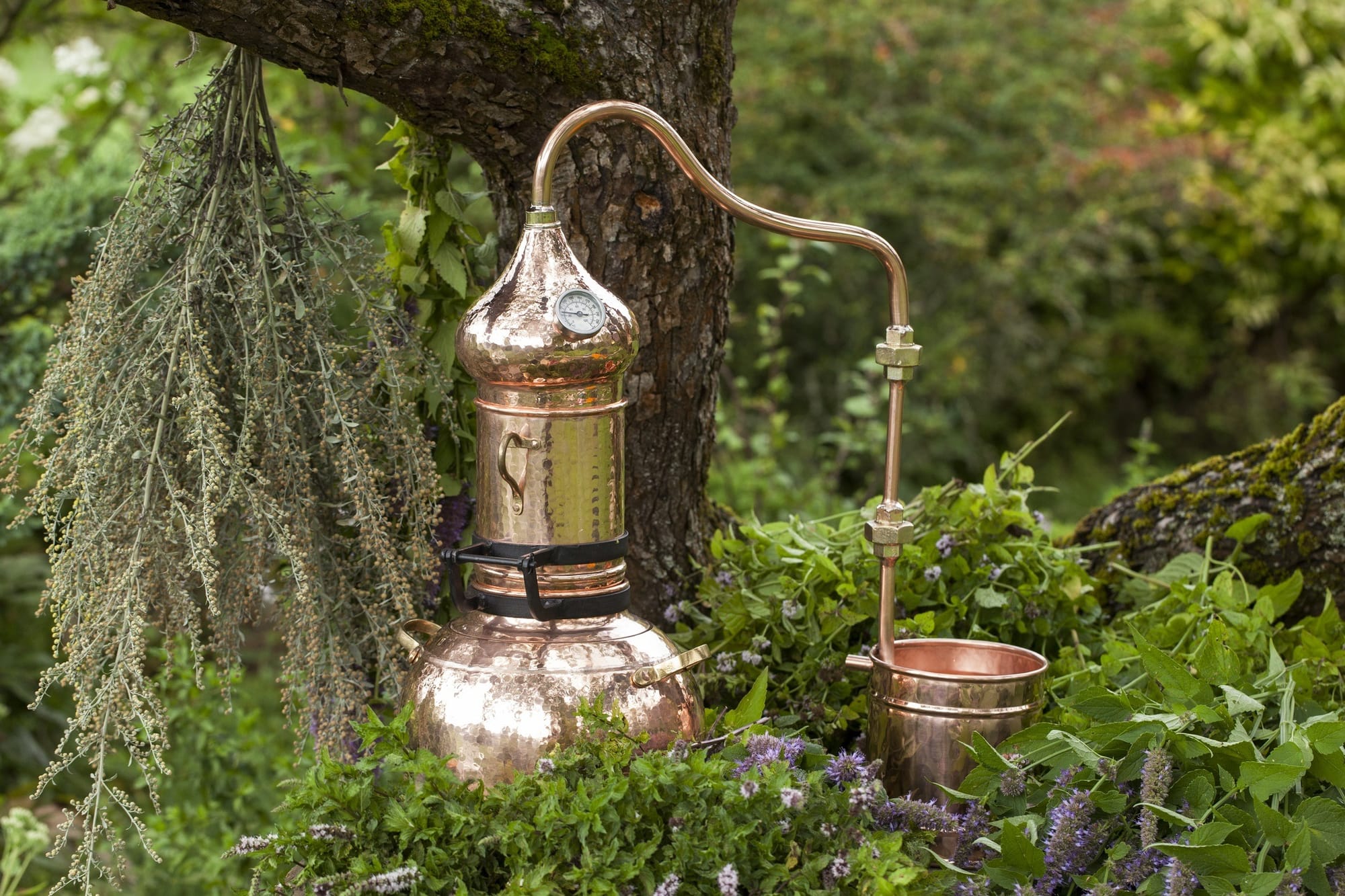
Over-the-counter skincare oils, perfumes, and therapeutic essential oils are all derived from plants through a distillation process. If we are not clear about what we need, we can be often confused by the similar packaging and claims.
Let's clear up a few of the most common questions about essential oils. It will save you a great deal of wasted money from trial-and-error.
Back to basics — what is an essential oil?
Plants, like humans, produce hormone-like secretions that help them adapt to their environment, survive, grow, and reproduce. These secretions are essential oils.
Essential oils are extracted from plants through distillation or cold pressing. They consist of extraordinarily small aromatic molecules that evaporate readily in the air — if you place a drop of essential oil on a piece of fabric or tissue, it will disappear completely over time without leaving an oil stain. This volatility is also what makes essential oils so effective therapeutically: the molecules are small enough to reach the brain almost immediately through the olfactory system, or to penetrate the skin and be carried throughout the body by the bloodstream within ten to twenty minutes.
For all their lightness — arriving without announcement and leaving without a trace — a single drop of essential oil can contain up to a hundred active compounds. A therapeutic-grade oil needs to capture all of those compounds from the plant during distillation. Only then can the body receive the full, balanced effect. An incomplete or adulterated oil can produce the opposite of what you intended.
The 6 Markers of Authentic Essential Oils
Before you buy, check your product's packaging and the supplier's website for these six pieces of information. If any are missing, the oil is likely adulterated or synthetic—and won't deliver the therapeutic results you're paying for.
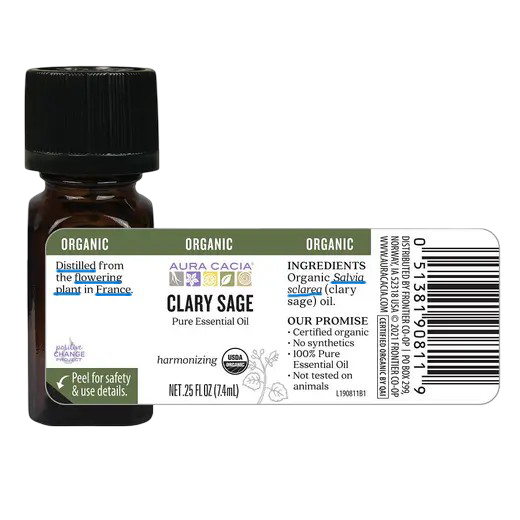
Latin Botanical Name
Plants are classified by family, genus, and species. Within the same genus, different species can smell entirely different and have very different therapeutic properties. Eucalyptus is a good example — there are approximately 700 species, around 500 of which can yield an essential oil, and they are not interchangeable. Eucalyptus globulus, Eucalyptus radiata, and Eucalyptus smithii are all specialists in respiratory support and carry that characteristic sharp, camphor-like quality. Eucalyptus staigeriana, by contrast, has a clean lemony sweetness and is better suited to conditions where the immune system has been disrupted by emotional stress.
Always check the full Latin name to confirm you are buying the oil you actually want.
Country of Origin
Essential oils are the plant's response to its environment. If we move a lavender, thyme, basil, or rosemary plant from the Mediterranean to the other side of the world, it must adapt to entirely different soil, water, temperature, humidity, sunlight, and latitude. The essential oil it produces will reflect that adaptation. Country of origin matters, and a reputable supplier will always tell you where the plant was grown.
Extraction Method: Steam Distillation or Cold Pressing
The only two extraction methods recognised in aromatherapy are steam distillation and cold pressing (also called expression). If a supplier does not state the extraction method, it is reasonable to assume the oil was produced by a chemical process and is not a genuine essential oil.
CO₂ extraction is still a subject of debate in the industry. Oils produced by CO₂ extraction are closer in composition to the living plant, but the resulting oil tends toward a paste-like consistency, and the addition of chemical solvents to the process can cause skin sensitivity. For these reasons it has not been widely adopted.
Part of the Plant Used
Plants store their essential oils in different locations — ginger in the roots, frankincense in the resin, rosewood in the wood shavings, lemon in the peel. If a supplier blends in parts of the plant that contain no essential oil, the resulting product is adulterated and its quality is compromised.
Some plants can yield more than one distinct essential oil from different parts. Neroli and petitgrain are both derived from the bitter orange tree (Citrus aurantium), but from entirely different parts. Neroli comes from the flowers and is used for emotional support and skin cell regeneration — particularly valued in formulas for mature skin. Petitgrain comes from the twigs and leaves and is better suited to insomnia, acne, dandruff, and stress in children. Same tree, same Latin name, completely different oils and uses.
Test Reports
Every plant is individual, and even the same species grown in the same conditions will produce an essential oil with slightly different compounds depending on when it was harvested. Each batch of essential oil should be independently tested. Reputable brands make these reports available for download on their website, listing the chemical composition of each batch and confirming the absence of harmful substances.
If a brand's packaging and website do not clearly state all of the above, the supplier is almost certainly not worth your time or your money.
Dilution percentage
If an essential oil is priced surprisingly low, it is worth checking whether it has already been diluted into a carrier oil.
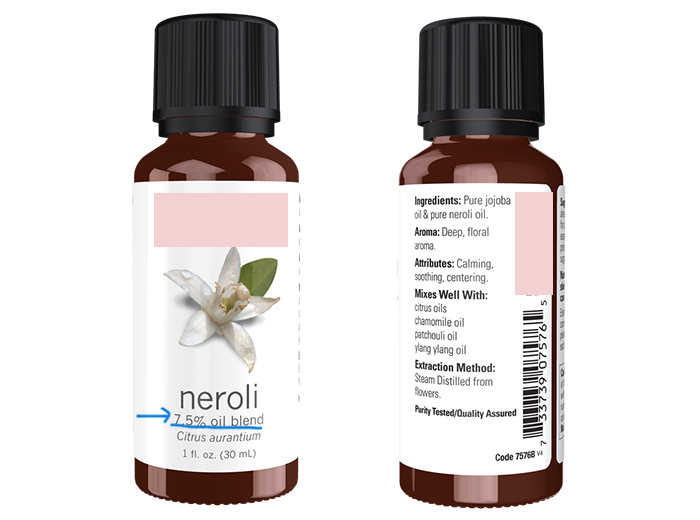
Some essential oils are expensive to produce. Rather than raise the retail price, some manufacturers dilute the oil into a carrier and note the concentration on the label. A neroli oil, for example, might contain only 7.5% neroli and 92.5% jojoba carrier oil. There is nothing wrong with this in principle — but if you then need to blend this diluted oil with other oils and calculate the final concentration of your formula, the mathematics becomes considerably more complex than it needs to be.
To illustrate: if you are making a 30ml therapeutic blend at a 1% dilution — requiring 9 drops of pure essential oil total — and two of your three chosen oils are 100% pure while the third (neroli) is diluted to 7.5%, how many drops of the diluted neroli do you need to achieve the right concentration alongside the other two? The answer requires working backwards through the dilution ratios of all three oils simultaneously.
The world is already complicated enough. There is no good reason to make blending harder than it needs to be. Where possible, use pure oils and dilute them yourself.
The Bottom Line: How to Avoid Wasting Money
Authentic therapeutic-grade essential oils cost more than supermarket "aromatherapy" products—for good reason. A genuine Neroli oil requires hundreds of flowers to produce a small amount of oil. A genuine Rose oil requires thousands of rose petals. You cannot create these at synthetic prices.
But cost is not a guarantee of quality. What matters is transparency. A reputable supplier will openly share:
- The Latin botanical name (so you know the exact species)
- The country where the plant was grown
- How it was extracted
- Which part of the plant was used
- Test reports proving purity and composition
- Dilution %
If a supplier hides any of this information, they're hiding something.
The Chinese saying applies: if you want to do your work well, sharpen your tools first. Authentic essential oils sharpen your practice.