DIY Insect Repellent for Kids: Non-Alcohol Recipe with Essential Oils (IFPA-Safe)
Tired of chemical insect repellents? This IFPA-safe DIY spray uses geranium, citronella, and peppermint—gentle on sensitive skin, effective against mosquitoes and ticks, completely alcohol-free.

Introduction: Why You Need a Natural Insect Repellent for Kids
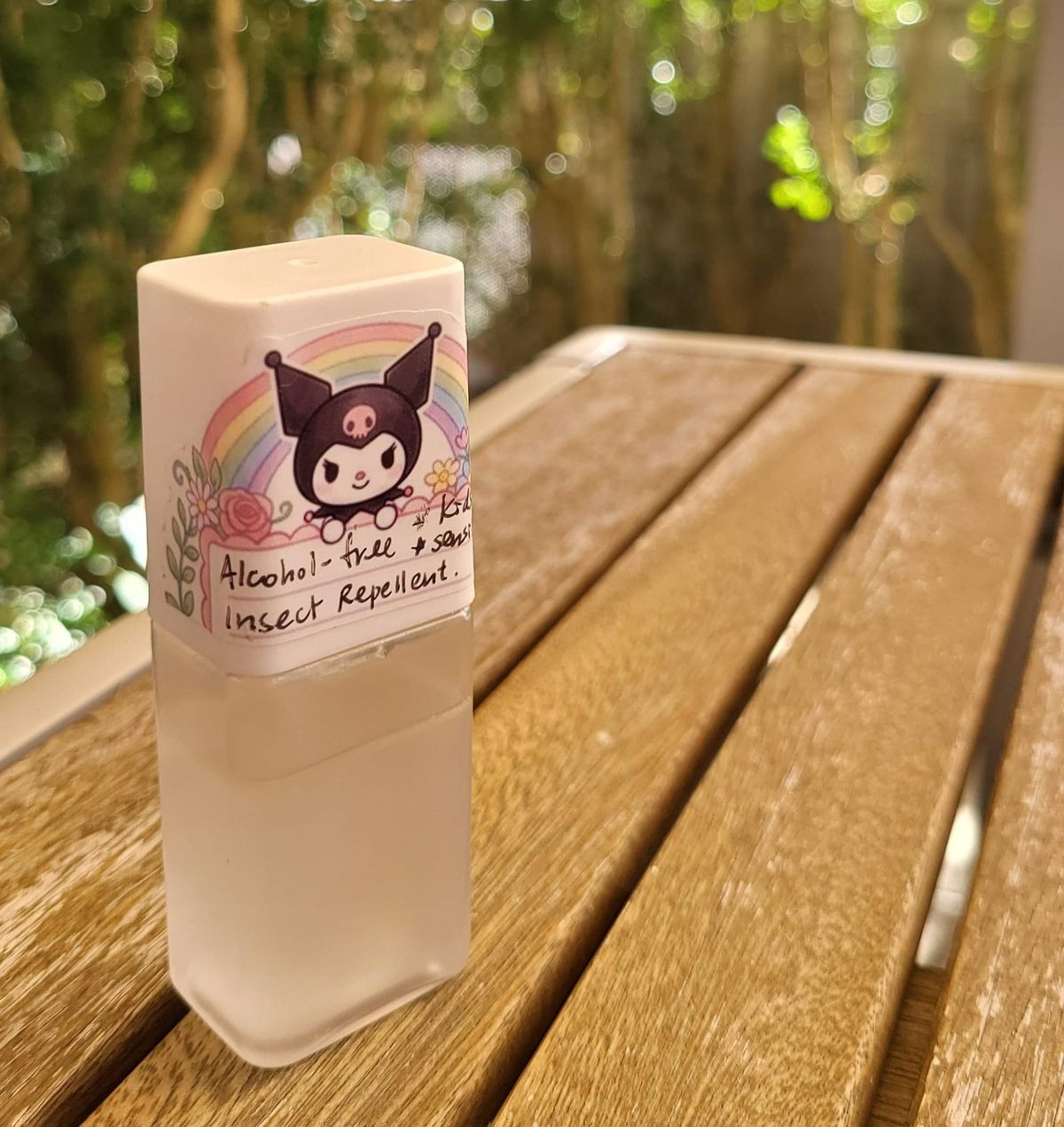
If your child has sensitive skin, eczema, or you want to avoid alcohol-based commercial sprays, this DIY insect repellent is a safer alternative. Made with three essential oils (geranium, citronella, peppermint) and lavender hydrolat, it's IFPA-safe, alcohol-free, and effective against mosquitoes, ticks, and fleas. Below is the exact recipe I developed for my daughters, plus how to apply it safely.
Quick Reference: Insect Repellent Recipe at a Glance
| Ingredient | Amount | Purpose |
|---|---|---|
| Lavender hydrolat | 30ml | Gentle base, skin protection |
| Geranium essential oil | 5 drops | Lead repellent |
| Citronella essential oil | 3 drops | Mosquito & tick deterrent |
| Peppermint essential oil | 1 drop | Insect irritant, fresh scent |
Dilution Level: 1% total essential oil (IFPA-safe for children)
Best For: Mosquitoes, ticks, fleas, head lice, sensitive skin
Shelf Life: 6-8 weeks
Application: Spray every 30 minutes during outdoor exposure. Shake well before each use.
Safety: Patch test on inner arm first. Avoid near face/nose of infants under 2. Not for use during pregnancy or breastfeeding.
The Story: Why I Made This Recipe
Switzerland has beautiful nature. Forests, rivers, waterfalls, farms, and parks are accessible to everyone. Kindergarten children hold hands in a line, led by teachers into the forest every week regardless of season or weather. They are free to jump into muddy puddles, take off their shoes to play in the water, make a fire to grill sausages, and climb up and down hills and trees. They always come home wet from head to toe, covered in dirt and mud, with a satisfied smile. Watching our children immerse themselves in nature like this, I can see exactly how much it benefits their development.
There are many types of insect repellent available in Swiss pharmacies, and most of them work well. But as a mother with sensitive skin who has passed the eczema gene to both my daughters, I have always hesitated to use commercial products full of chemical terms I cannot place. I am even more wary of products with a strong, pungent, or irritating scent.
My younger daughter, in particular, has small wounds from scratching the itchy patches on her limbs. Any product containing alcohol gives her a burning sensation. I needed something gentle on the skin that could still offer real protection from harmful insects.
3 Essential Oils + Lavender Hydrolat: How They Work
This non-alcohol, children-friendly insect repellent was developed and made for anyone — big or small — who has the same problem. The formula contains only true essential oils and flower water. That said, the chemical constituents that give it its repelling power can cause irritation if not dosed correctly. Let me introduce the ingredients, their benefits, and the risks to be aware of.
1. Geranium (Pelargonium graveolens)— Effective Insect Repellent & Skin Healer
Geranium has a sweet, rose-like floral aroma with green and slightly minty undertones. It is well known for its balancing effect at multiple levels — balancing hormones to manage menopausal symptoms; regulating sebum secretion for both dry and oily skin; and balancing mood, relieving anxiety and depression, and reducing stress through its effect on cortisol levels. It also has strong anti-inflammatory and antimicrobial properties that support the healing of wounds, eczema, and acne.
Its insect-repelling properties come from its active constituents citronellol (20–45%) and geraniol (6–27%) — powerful compounds that insects naturally avoid because they are toxic to the insect nervous system. Geranium's strong floral aroma also creates a sensory barrier that many insects will not fly through. It is exceptionally effective at repelling mosquitoes, fleas, ticks, and head lice.
Safety note: use with caution if you have hormone-sensitive conditions such as breast or uterine cancer, endometriosis, or fibroids.
2. Citronella (Cymbopogon nardus) — Fresh Scent & Mosquito Deterrent
Citronella has a fresh, lemony, and grassy aroma with a slightly floral character. It is highly effective against fungal infections such as athlete's foot. Its fresh and uplifting scent is useful for combating mental fatigue, lethargy, and brain fog. It is also widely used in household products to deodorise and purify a room, neutralising odours and suppressing microbial growth.
Its main active constituents are citronellal (30–45%), geraniol (20–25%), and citronellol (10–15%) — all natural deterrents of mosquitoes, flies, and ticks. Citronella not only repels insects but also masks human scent, making it harder for insects to navigate toward you in the first place.
Safety note: avoid during pregnancy and breastfeeding, for children under two, and around pets. Use with caution on sensitive or damaged skin.
3. Peppermint (Mentha x piperita) — Sharp Aroma & Insect Irritant
Peppermint has a sharp, highly penetrating, grassy-minty, and camphor-like aroma — a strong, refreshing top note with a sweet and cooling undertone. Its cooling sensation makes it a popular choice for relieving pain, relaxing muscles, and lowering temperature. It also soothes stomach tension, eases bloating, and has antibacterial, antiviral, and antifungal properties.
Its main active constituent, menthol (35–50%), produces the pungent aroma that overwhelms and irritates the olfactory systems of certain insects, causing them to flee immediately. It is particularly effective against ants, wasps, and mice.
Safety note: do not apply near the face or nose of infants and young children — it can cause respiratory distress.
4. Lavender hydrolat — Gentle Skin Protection
Lavender hydrolat is the aromatic water produced during the distillation of lavender flowering tops. It has a mild therapeutic action — supporting the healing of small wounds and insect bites, and reducing minor marks and blemishes. It is entirely gentle on the skin and suitable for all skin types. In some contexts, it can be taken internally under professional supervision.
Safety Considerations: Understand the Risks
Looking at the active constituents across the ingredients, citronellol, geraniol, citronellal, and menthol are all potential skin irritants. Used in excess or above the recommended dosage, they can cause redness, swelling, and may trigger eczema in sensitive skin. This is why the recipe below has been formulated in accordance with the IFPA aromatherapy safety guidelines.
DIY Insect Repellent Recipe
Ingredients:
Lavender hydrolat · 30ml
Geranium · 5 drops
Citronella · 3 drops
Peppermint · 1 drop
Why This Blend Works:
Geranium leads this blend — its rose-like quality softened and freshened by citronella and peppermint, which balance the floral sweetness without overwhelming it. Where citronella and peppermint can dull the senses without dilution or in prolonged exposure, geranium does not carry this risk. Its balancing emotional effect means it can be inhaled for a reasonable period without adverse effect. Beyond its beautiful scent, geranium offers a relatively lower risk to sensitive skin than citronella while maintaining high efficacy as an insect repellent — which is why it takes the lead role in the formula.
The gentle and soothing lavender hydrolat offsets some of the irritating elements of the essential oils and protects the skin as it is applied.
Dilution Safety:
The essential oils are diluted to a combined total of 1% in the hydrolat. Individually, the dosage is approximately 0.5% for geranium, 0.33% for citronella, and 0.1% for peppermint — all comfortably below the maximum amounts permitted in the safety standard.
How to Use This Spray: Application & Storage
Before First Use
Do a patch test on the inner arm before applying to the body for the first time.
Application
Spray directly onto the skin, onto clothing, or into the room as needed. Shake well before each use.
Reapplication & Shelf Life
The essential oils in this formula evaporate more quickly than the synthetic chemicals used in commercial products. To maintain efficacy, reapply every 30 minutes during outdoor exposure.
Store in a dark glass bottle in a cool place. Shelf life is approximately 6-8 weeks (hydrolat-based formulas have shorter shelf life than alcohol-based sprays).